
The first time Kayanza mentioned the shop, his chat treated it like a rumor. The Wuthering Waves content creator had been revisiting the second closed beta, and there it was: a quiet tab where players could spend Afterglow Corals on character duplicates. Not a datamined string. Not a blurry screenshot. A working feature from CBT2. For a community raised on banner pulls and pity counters, the idea felt almost rebellious. 🎲
In Wuthering Waves, Afterglow Corals arrive when players pull copies of characters they already own, including 4-star characters. The CBT2 shop let those corals be exchanged for up to two copies of 5-star and 4-star characters. That cap mattered. It did not erase the gacha; it gave players a second road. A traveler could save, choose a favorite, and buy a waveband instead of throwing every pull at chance.
Most gacha games treat duplicates as premium content. Genshin Impact calls them Constellations. Honkai: Star Rail calls them Eidolons. In both, the extra copy usually comes from the same banner that produced the first, which is why duplicate hunting is such a powerful revenue engine. Wuthering Waves' CBT2 experiment sat differently.
| Game | Duplicate upgrade | Usual source |
|---|---|---|
| Genshin Impact | Constellations | Banner pulls |
| Honkai: Star Rail | Eidolons | Banner pulls |
| Wuthering Waves (CBT2) | Wavebands via shop | Afterglow Corals, up to two copies |
The table looks simple. The implications were not. A player who lost a 50/50 or kept pulling 4-stars could turn disappointment into currency. Instead of chasing a character's next copy through another spin of the wheel, they could bank corals and wait. The shop became a pressure valve, and the two-copy limit kept it from becoming a shortcut to maximum power.
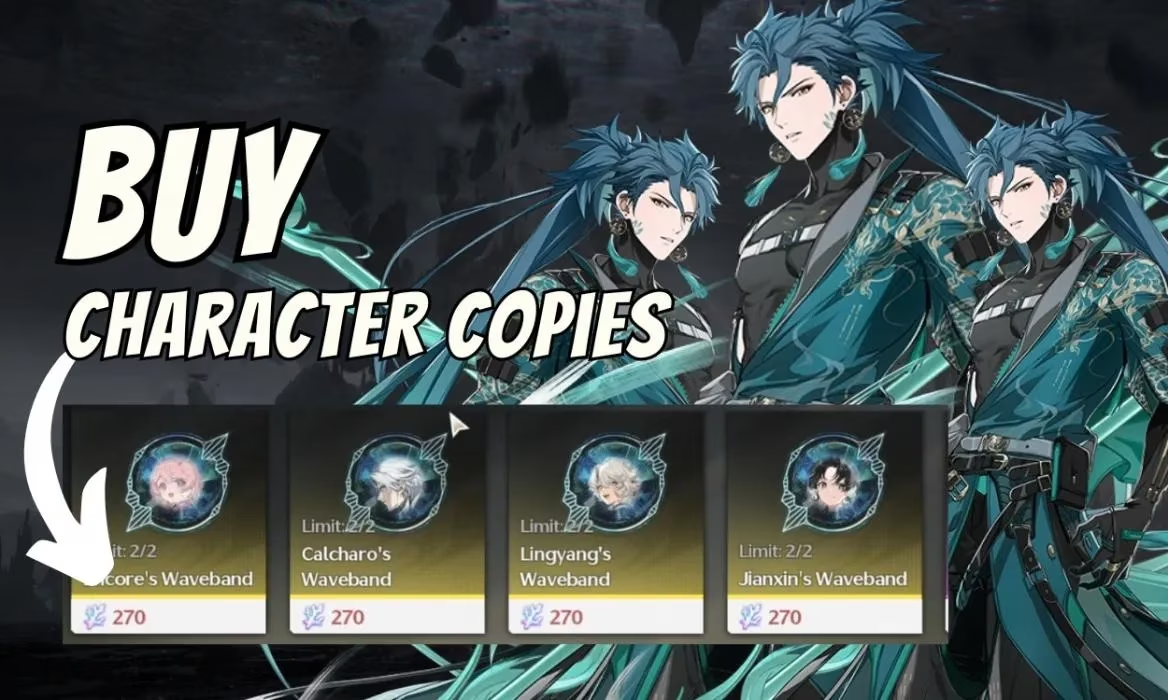
Kayanza's reminder spread because it touched a nerve. Gacha players often describe duplicates as 'investment,' but the word hides the randomness. A constellation or eidolon can cost weeks of saved currency, or a credit card swipe, and the result is never guaranteed. The Afterglow Coral shop offered something rarer than raw power: a visible price. For once, the question was not 'Will the banner smile on me?' but 'Is this waveband worth my corals?' That is a different kind of tension, and many players found it healthier.
There were limits, of course. The CBT2 system did not hand out free 5-stars. Players still needed the first copy, and they still needed to pull enough duplicates to earn corals. The shop capped purchases at two, so a whale could not buy a full maxed character in one afternoon. The design kept the banner relevant while giving low and mid-spenders a plan. 🧊
By 2026, the gacha market has more competitors and louder debates about pity, monthly cards, and weapon banners. The Afterglow Coral shop remains a favorite reference point in those discussions because it asked a sharp question: what if duplicates were not only a lottery prize but also a shelf item? Wuthering Waves' closed beta did not answer every question about launch, and the community spent plenty of time wondering whether the feature would survive. That uncertainty became part of the story.
What survived was the lesson. A duplicate shop does not have to destroy a gacha economy. It can redirect it. Players who save corals are still engaged; they are making choices instead of begging the odds. The two-copy cap protects the ceiling. The first copy still belongs to the banner. It is a compromise, but a memorable one.
In community retrospectives, the CBT2 shop is often retold as a small legend. Kayanza's post was not a grand reveal. It was a nudge: remember this? And players did. They remembered because the system respected their time in a way gacha games rarely do. Whether every later version of Wuthering Waves kept the exact shop or changed the details, the idea left a mark. For a genre built on chance, a simple coral counter felt like a quiet revolution. 🌊